
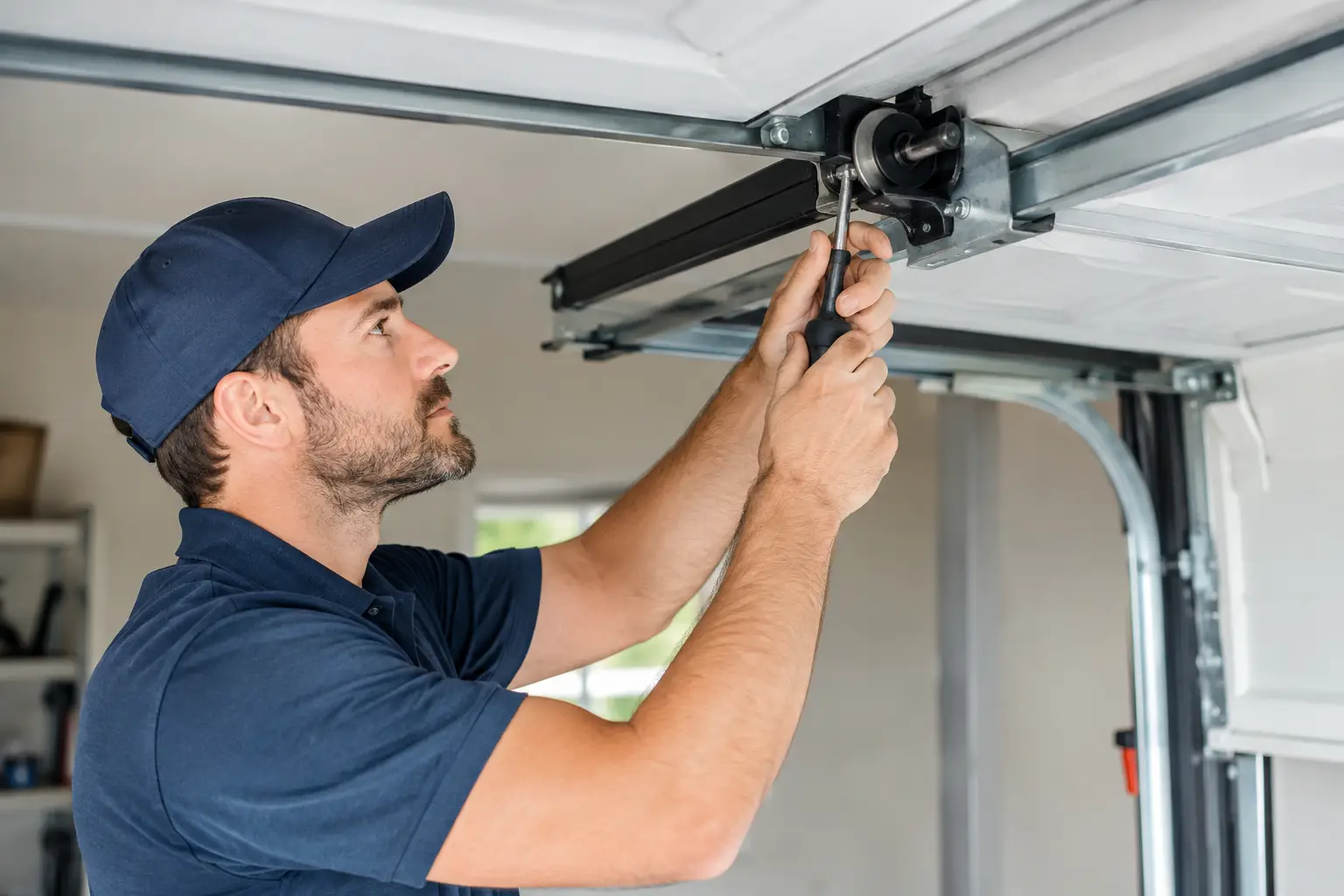
That grinding, squealing, rattling sound is not something your garage door should make every time you leave for work. A noisy door can be as simple as dry metal moving against metal, but it can also be an early warning that a roller, hinge, spring, cable, or opener is wearing out. Knowing how to fix noisy garage door problems starts with identifying the sound and where it happens.
The good news is that homeowners can handle a few basic checks safely. The important part is knowing where to stop. Garage door springs and lift cables are under serious tension. If the door is hanging crooked, moves unevenly, or makes a loud bang, keep clear and arrange a professional repair.
Start by listening to the type of noise
Run the door once from a safe distance and listen carefully. Does it squeak all the way up and down? Does it rattle near the tracks? Does the opener strain only at the top or bottom of travel? The noise gives you a useful starting point.
A squeak or screech usually points to dry rollers, hinges, bearings, or springs. Rattling often comes from loose hardware, vibrating tracks, or an opener that is not secured tightly to the ceiling. A grinding sound may mean worn rollers, a damaged track, or an opener gear problem. A single sharp bang can be a broken spring, which is not a DIY repair.
Do not keep cycling the door repeatedly to diagnose it. If a part is failing, extra use can turn a straightforward repair into a door that is stuck open, off track, or too heavy to lift.
How to fix a noisy garage door safely
Before touching anything, close the door fully and unplug the opener or switch off its power. You do not want someone pressing a remote while your hands are near moving parts. Keep children and pets clear of the garage while you inspect the system.
Start with the simple items: dirt, dry moving parts, and loose bolts. If the door is visibly crooked, has a loose cable, or has a gap in the spring above the door, stop there. Those symptoms need a technician.
Clean the tracks, but do not grease them
Tracks collect dust, road grit, leaves, and winter salt. In Southern Ontario, that buildup can make rollers sound rough and can affect how smoothly the door travels. Wipe the inside of each track with a clean cloth. For stubborn dirt, use a mild household cleaner and dry the track afterward.
Do not apply grease or heavy lubricant inside the tracks. It attracts more dirt and creates a sticky mess that can make the problem worse. The rollers should roll through clean tracks, not slide through a layer of grease.
While cleaning, look for dents, bends, or loose sections. A light surface mark is usually not a concern. A bent track that pinches the roller, pulls away from the wall, or causes the door to shake needs repair. Do not try to force a badly bent track back into place while the door is under load.
Lubricate the moving parts with the right product
A garage-door-specific lubricant or silicone-based spray is a better choice than general-purpose penetrating oil. Apply a small amount to the roller bearings, hinge pivot points, spring coils, and end bearings. Wipe away excess so it does not drip onto the door or floor.
If your door has nylon rollers with no exposed bearings, do not soak the nylon wheel. Lubricate only the metal shaft or bearing area if applicable. Old steel rollers often get noisy as they wear, even after lubrication. If they wobble, bind, or have visible wear, replacement is usually the better fix.
Springs can squeak as coils move against one another. A light lubricant may quiet them temporarily, but it will not fix a spring that is rusty, stretched, or near failure. Never adjust, unwind, or remove a garage door spring yourself.
Tighten loose hardware carefully
The door vibrates every time it operates, so nuts and bolts can loosen over time. With the door closed, inspect the brackets that hold the tracks to the wall and ceiling, as well as the hinge bolts on the door sections. Tighten hardware that is clearly loose using the correct socket or wrench.
There is one exception: do not loosen or adjust the bottom brackets attached to the bottom corners of the door. Those brackets connect to the lift cables and are under tension. They can cause serious injury if handled incorrectly.
If you find a cracked hinge, a bent bracket, missing fastener, or track pulling away from the wall, the noise is telling you something useful. Get the damaged part repaired before it affects the rest of the system.
Check the rollers and hinges
Rollers are one of the most common causes of a loud garage door. Steel rollers can become noisy as bearings wear out, while older nylon rollers may crack or lose their smooth movement. Stand back and watch the door travel. A roller that shakes, jumps, or drags through the track should be replaced.
Hinges can also squeak, especially after a cold, wet Ontario winter. Lubrication may solve a minor squeak. But if a hinge is cracked, bent, or pulling away from the door panel, it needs replacement. A failing hinge can let a roller move out of position, putting more strain on the track and opener.
Roller replacement sounds simple, but the bottom roller is connected to the cable system. Leave that one to a professional. Upper and middle rollers may be serviceable for an experienced homeowner, but if the door is already noisy and worn in several places, a proper inspection is the safer call.
Do not overlook the opener
Sometimes the door itself is quiet, but the opener is doing all the complaining. A loose opener mounting bracket can rattle against ceiling framing. Loose support struts or an unbalanced door can make the opener sound much louder than it should.
With the door closed and power off, check whether the opener unit and rail appear secure. You can tighten accessible mounting hardware, but do not change travel limits, force settings, or chain tension at random. Those settings affect how the opener responds when the door meets resistance.
A chain-drive opener naturally makes more noise than a belt-drive model, particularly in a garage below or beside a bedroom. If the opener has always been loud but works reliably, the answer may be an upgrade rather than a repair. If it has suddenly begun grinding, clicking repeatedly, or straining to lift the door, the underlying issue may be a worn gear or an unbalanced door.
Test the door balance only if it is safe
A properly balanced garage door should feel manageable by hand. With the door closed, disconnect the opener using the emergency release cord, then lift the door manually to about halfway. It should stay near that position without racing upward or crashing down.
If the door feels very heavy, drops quickly, or will not stay halfway, reconnect the opener only after lowering the door safely. Do not keep using the motor to compensate. The springs may need adjustment or replacement, and that work should always be done by a trained garage door technician.
When noise means you should call for repair
A little squeaking from dry hardware is usually manageable. These symptoms are not a wait-and-see situation:
- A loud bang followed by a door that will not open or feels extremely heavy.
- A door hanging crooked, with one side higher than the other.
- A loose, frayed, or snapped lift cable.
- Rollers coming out of the track or a visibly bent track.
- Grinding from the opener, especially if the door stops or reverses.
- A garage door that shakes hard, binds, or will not close securely.
These problems can affect access to your vehicle, home security, and safety around the door. They also tend to worsen quickly when the door is used again.
For homeowners in Cambridge and surrounding Southern Ontario communities, Summit Garage Door can identify the cause, provide a straight quote before dispatch, and repair urgent door issues the same day when possible. Tell the technician what the door is doing, when the noise started, and whether it still opens and closes. That gives the repair crew a useful head start.
A quiet garage door is not just nicer to live with. It is often a sign that the door is moving evenly, the opener is not overworking, and small wear issues have been dealt with before they become a locked-in-the-driveway problem.