
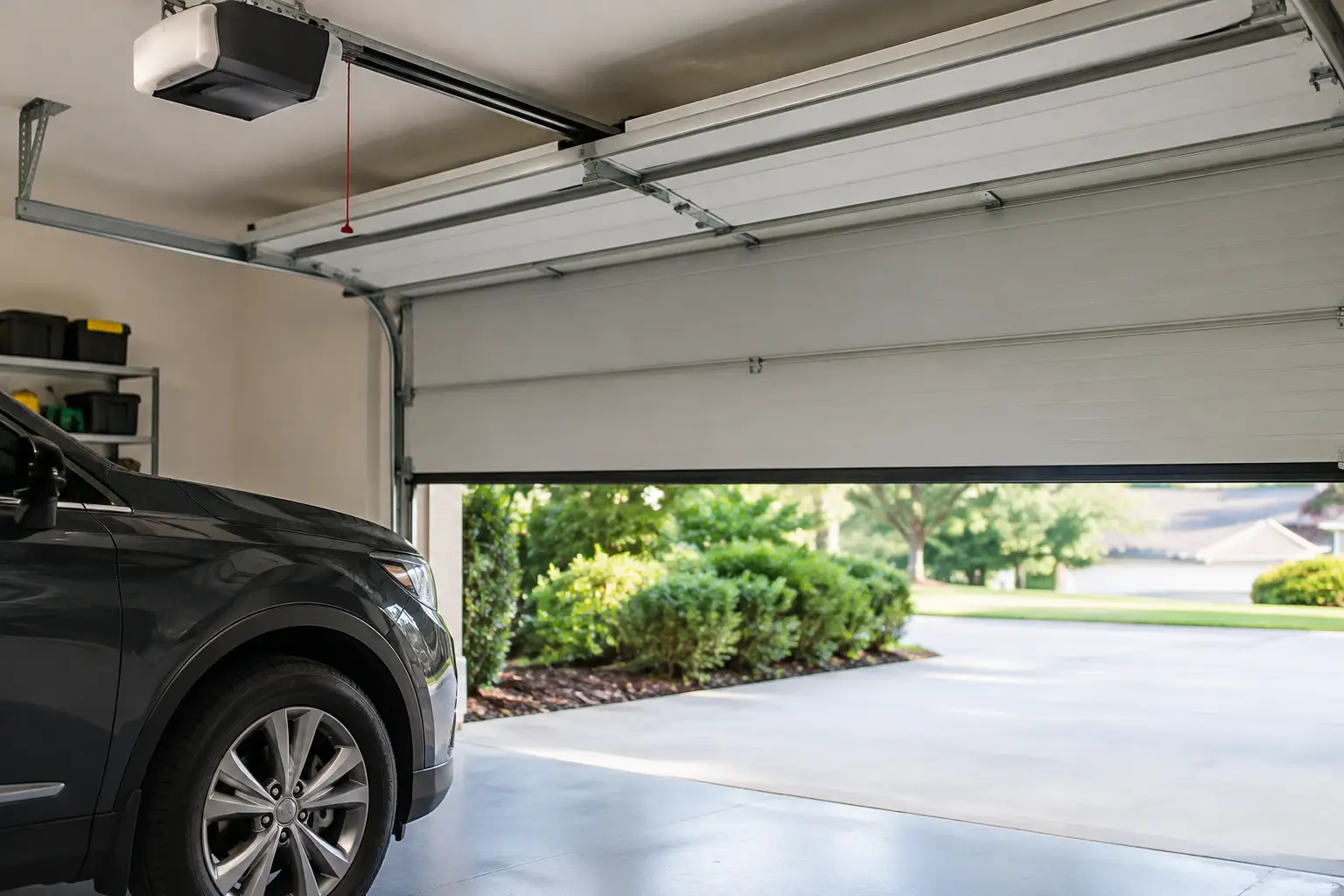
A garage door that starts down, then suddenly heads back up, is doing something it was designed to do - but that does not mean the problem should be ignored. If you are wondering why garage door reverses instead of closing, the cause is usually a safety sensor, an obstruction, a door that is binding, or an opener setting that needs attention.
The first question is where the door reverses. Does it turn around immediately after you press the remote? Does it get within a few inches of the floor and reopen? Or does it struggle, shake, and reverse partway down? That detail helps narrow down the repair quickly.
Why a garage door reverses on the way down
Modern automatic openers have two ways to prevent injury or damage. Photo-eye safety sensors watch for anything crossing the doorway, while the opener also monitors resistance as the door travels. If the sensors lose contact or the opener feels more resistance than expected, it tells the door to reverse.
That is good protection when a child, pet, bicycle, or vehicle is in the opening. But dirt, ice, a loose cable, or a worn roller can trigger the same response.
The safety sensors are blocked, dirty, or out of alignment
This is the most common reason a door reverses close to the floor. The two small sensors mounted near the bottom of the tracks send an invisible beam across the opening. If the beam is interrupted, the opener will not allow the door to close normally.
A leaf, storage bin, shovel, or even a buildup of snow around the threshold can be enough to cause trouble. In Southern Ontario, salt spray, slush, and moisture can also leave the sensor lenses dirty. Wipe each lens gently with a clean, soft cloth, then make sure nothing is sitting in the door opening.
Next, look at the sensor indicator lights. The exact colour depends on the opener brand, but one light that is off, flickering, or behaving differently from the other often points to an alignment or wiring issue. Check whether a sensor has been bumped by a boot, hockey bag, lawn tool, or car tire. It should face straight across at the matching sensor and be firmly secured.
Do not assume the sensors are the problem just because the door will close when you hold down the wall button. That action can override the photo-eye system on many openers. It may help confirm a sensor fault, but it is not a safe long-term workaround. The safety system needs to be repaired.
Something is stopping the door at the floor
When the door reaches the bottom and pops back up, inspect the path carefully. A small stone, packed ice, or a curled edge of the bottom weather seal can make the opener think it has hit an object.
Look along the concrete where the door meets the floor. In winter, ice can form beneath one side of the seal after melting snow runs into the garage. Do not force the opener against a frozen door. Clear the ice carefully and check that the rubber seal is not torn, folded under, or dragging heavily.
A damaged or uneven floor can also affect how the door closes. The opener may need adjustment, but the door and bottom seal should be inspected first. Increasing the closing force without fixing the actual obstruction can create a safety issue.
The opener's closing force or travel setting is off
Your opener is programmed to stop at a set point and to reverse when it detects too much resistance. If its down-travel limit is set too far, the opener may push the door into the floor, sense resistance, and reverse. If the closing force is too sensitive, normal friction can trigger a reversal before the door reaches the ground.
This can happen after an opener installation, power outage, repair, or adjustment. It can also develop as the door gets older and moves less freely. Settings differ by manufacturer, so use the instructions for your specific opener if you are comfortable doing a basic adjustment.
There is a trade-off here. A minor travel adjustment may solve a simple setup issue. But if the door has suddenly started reversing after years of normal operation, the setting itself may not be the root cause. The opener may be detecting a mechanical problem that deserves attention.
The door is binding in the tracks
A garage door should move evenly through its tracks. When rollers wear out, hinges loosen, tracks get bent, or the door becomes misaligned, it can bind on the way down. The opener senses the extra pull and reverses to protect the system.
Watch the door from a safe distance while it moves. Jerking, scraping, shaking, or one side moving lower than the other are clear warning signs. You may also see a roller rubbing hard against the track or hear a sharp grinding sound.
Do not loosen track bolts or try to bend the tracks back yourself. Tracks are under load, and moving the wrong bracket can make the door shift or come off track. A door that is hanging crooked, rubbing badly, or has rollers outside the track should not be operated until it has been assessed.
A broken spring, cable, or other door hardware is creating resistance
Your opener is meant to guide a balanced garage door, not lift its full weight. Torsion springs or extension springs do the heavy lifting. When a spring breaks, the door becomes extremely heavy and the opener may strain, stall, or reverse.
A loud bang from the garage is often the sound of a broken spring. Other signs include a door that opens only a few inches, a door that feels unusually heavy by hand, or an opener that hums without moving the door properly.
Lift cables can create similar trouble. If a cable is frayed, loose, or has slipped off a drum, the door can descend unevenly and bind. Stop using the opener if one side looks lower, a cable is hanging loose, or the door is crooked. Continued operation can bend tracks, damage panels, and turn a repairable problem into a larger one.
Springs and cables are not DIY repairs. They store significant force and need the right tools and experience to handle safely.
Safe checks to make before booking a repair
Start by clearing the opening and cleaning the photo-eye lenses. Check that the sensors are facing each other, and look for snow, ice, or debris under the door. Then watch one closing cycle without standing beneath the door or placing hands near the tracks, rollers, or hinges.
If the door reverses at the same spot every time, note that spot. If the opener lights flash or the motor makes a clicking, humming, or grinding sound, note that too. These details make it easier for a technician to identify the issue and give you a straight quote before dispatch.
You can also inspect the door visually for obvious damage: a bent track, broken roller, loose cable, split hinge, or gap in the spring. Do not pull the emergency release on a door that is open, crooked, or unsupported. A heavy door can drop quickly when disconnected from the opener.
When a reversing garage door needs same-day service
Call for service promptly when the garage door will not close and leaves your home or belongings exposed. It also needs professional attention if the door is off track, a cable is loose, a spring is broken, the door is grinding, or the opener reverses after the sensors and doorway have been checked.
For homeowners in Cambridge and surrounding Southern Ontario communities, Summit Garage Door can assess whether the issue is the opener, sensors, or the door hardware itself. The goal is not to sell parts you do not need. It is to get the door closing safely again, with the cause explained clearly before work starts.
A garage door that reverses is often giving you an early warning, not simply acting up. Clear the obvious obstruction, avoid forcing the system, and pay attention to how and where it changes direction. Acting before the door becomes stuck open, off track, or too heavy to move can keep a small problem from interrupting your day.